Movement
Welcome to this journey. We invite you to pause, notice, and gently try out new practices. The intention is not to fix yourself, but to create space for restoration and growth.
The second topic is movement.
Reframing “exercise”
My cousin is in the army, and once asked me, “Why do you run if we’re not at war?” I get it. Running around the block purely for exercise is not everyone’s idea of fun. For many of us, fitting exercise into a daily or weekly routine feels like another chore—something we should do, and feel guilty about when we don’t.
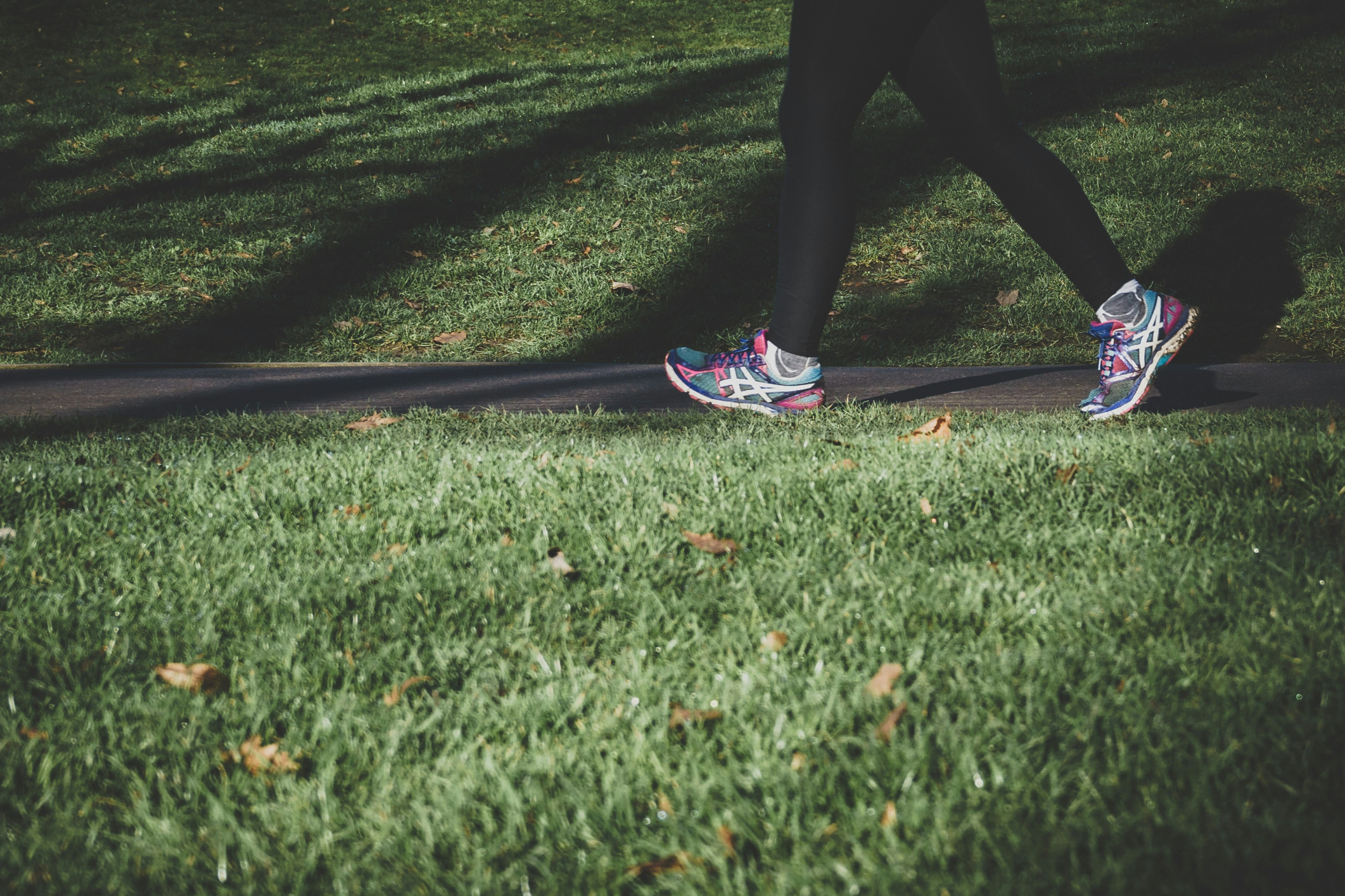
But what if we reframe “exercise” not as a task or a body-shaping project, but as a regular practice of healthy, life-giving movement?
How does movement help?
Movement helps regulate the nervous system, processes stress hormones out of the body, and often leaves us feeling more energised, strong, and capable of handling daily demands. Research consistently shows that regular exercise is linked to improved mental health—sometimes as effective as psychotherapy or medication—as well as better sleep and cognitive function. At a physiological level, movement influences neurotransmitters like serotonin and dopamine, which are particularly important for trauma recovery and emotional well-being.
So instead of seeing exercise as a chore, what if we viewed movement as an essential tool for coping?
Here are a few ways to begin building a sustainable movement practice:
- Choose something enjoyable and accessible
I love running and swimming: the rhythmic movement calms my busy mind and gets me outside. But when life is busy or the weather is bad, I rely on short YouTube workouts at home. Going to the gym has never been for me—but I have friends who love it.
Yoga, walking, dancing, team sports, paddle, strength training—there are so many options, many of them free. The rule of thumb: don’t choose something that feels like punishment. Enjoyment matters if you want it to last.
- Make it social
Accountability goes a long way. Parkrun is one of my favourite forms of exercise because I have a parkrun buddy. Knowing someone expects me helps get me out of bed when motivation is low.
Gym friends, run clubs, walking groups, or training towards an event together can all make movement more enjoyable and more consistent.
- Make it a habit (not a heroics project)
There is no onesizefitsall approach. Morning workouts don’t work for everyone; afterwork movement suits others better. Take a look at your week—could something be swapped for a short movement practice? A walk at lunch, 10 minutes of stretching, or replacing some doomscrolling or TV time?
If you’re not doing anything at the moment, start small. A 10minute brisk walk counts. A short yoga video counts. The goal is not intensity—it’s consistency. Build it into your routine, track it in a simple way, and allow it to grow over time.
Closing Thought
Movement doesn’t have to be extreme to be effective. Let it be something that supports you, rather than another thing you feel you’re failing at.
We would love to hear from you! If you have any questions, or if you’d like to share your own journey of nourishment and restoration, please reach out to us via our website, WhatsApp, phone call or email
Wishing you all the best on your journey of healing.
Latest articles

September 4, 2026
September 4, 2026

September 4, 2026

September 4, 2026